Purchasing Transformation + BOSS Mobile
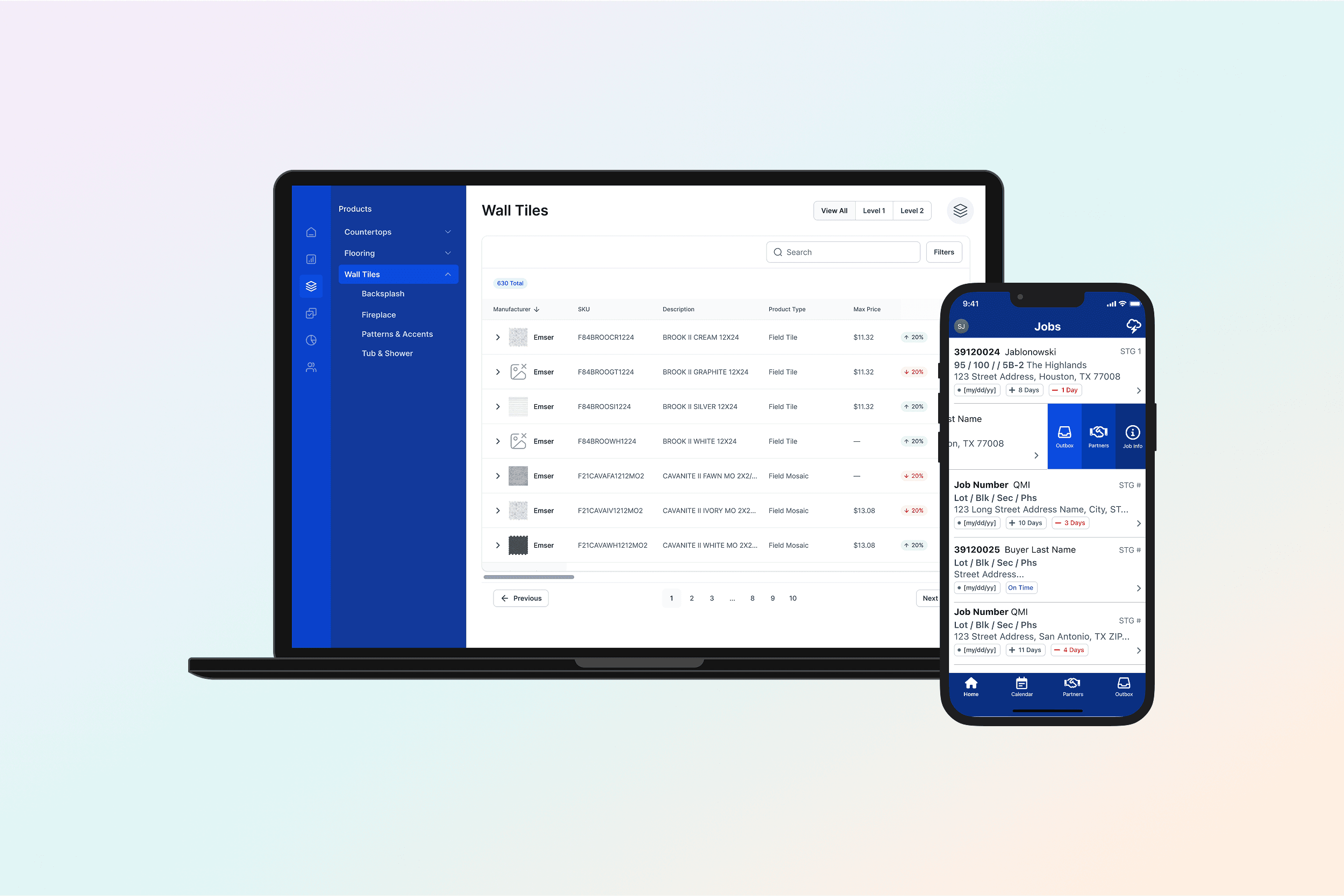
We transformed a decades-old JD Edwards purchasing pipeline into a dual-surface enterprise ecosystem:
A structured, efficient desktop interface for Purchasing Ops
BOSS Mobile — a field-optimized, offline-first companion
This eliminated paper binders, text-message approvals, and tribal knowledge, while reducing vendor confusion, strengthening accountability, and giving builders real-time clarity during job walks.
Timeline:
2020
-
2022
Role:
Lead UX Designer
Services:
Enterprise Desktop + Field Mobile
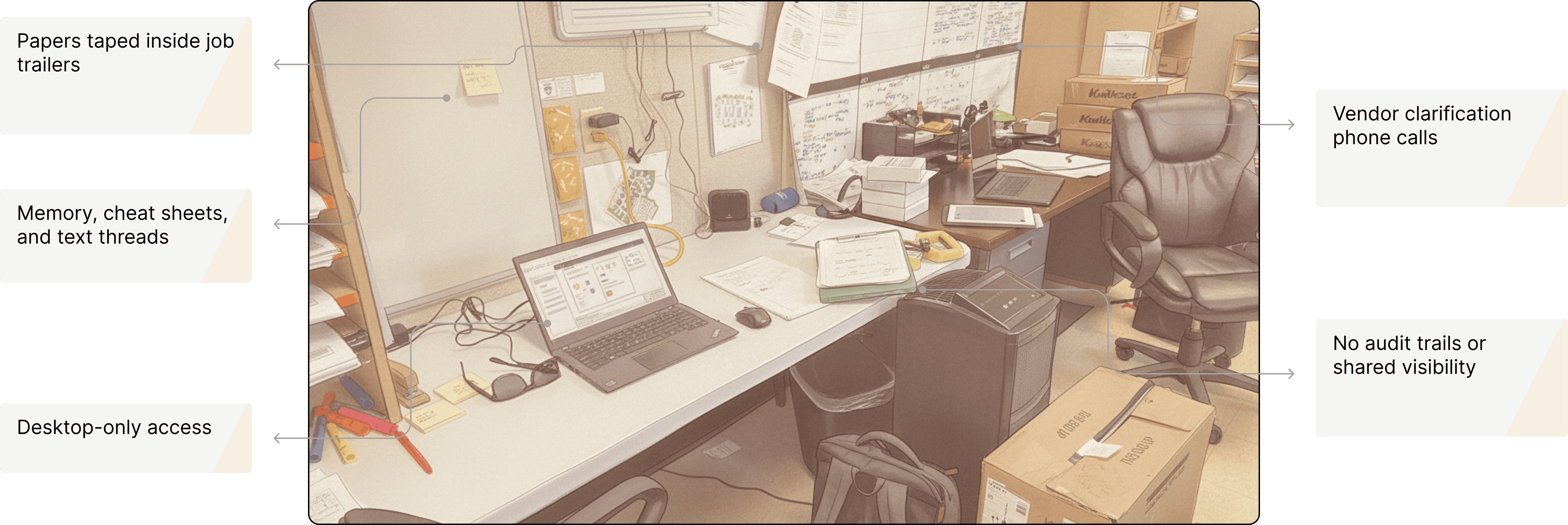
Before the redesign, critical workflows lived inside a legacy JDE interface built for a 1990s back-office reality. Field teams relied on:
Paper binders taped inside job trailers
Memory, cheat sheets, and text threads
Vendor clarification phone calls
Desktop-only access
When anything slipped, schedules slipped — costing time, trust, and money.
The construction workforce had evolved. Their tools had not.
JD Edwards “worked” only if you memorized cryptic codes, understood tribal rules, and kept your own exception notes. It was a single-surface system, assuming users sat at a desk with full signal, time, and context.
But field superintendents operate:
Outdoors
In dust, glare, and weather
With gloves
On ladders
With interruptions
With spotty or no signal
Our goal: Design for how builders actually work — not for legacy constraints or nostalgia.

A hybrid ethnographic + participatory approach revealed the real constraints of field work.
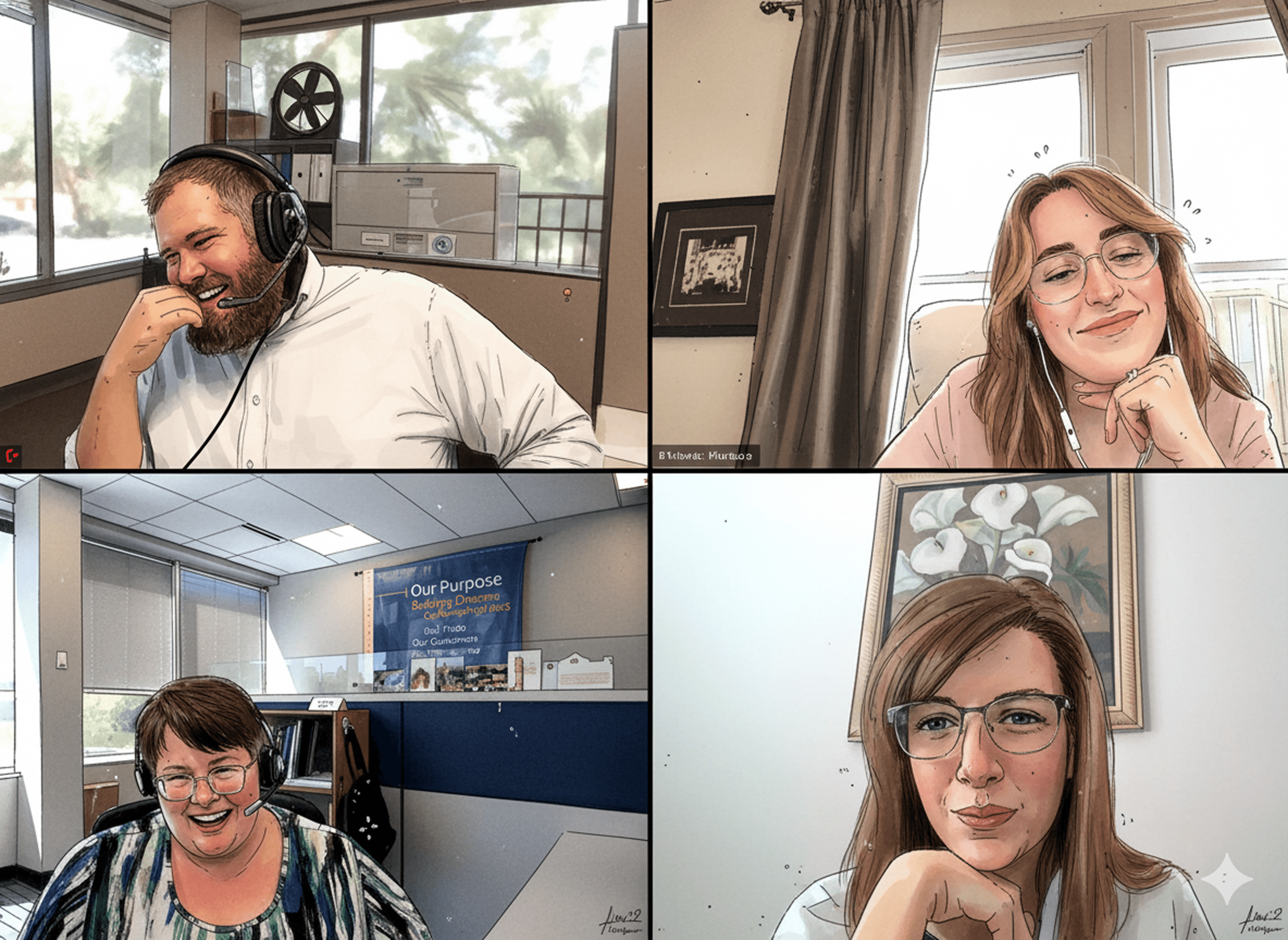
01.
Contextual Inquiry
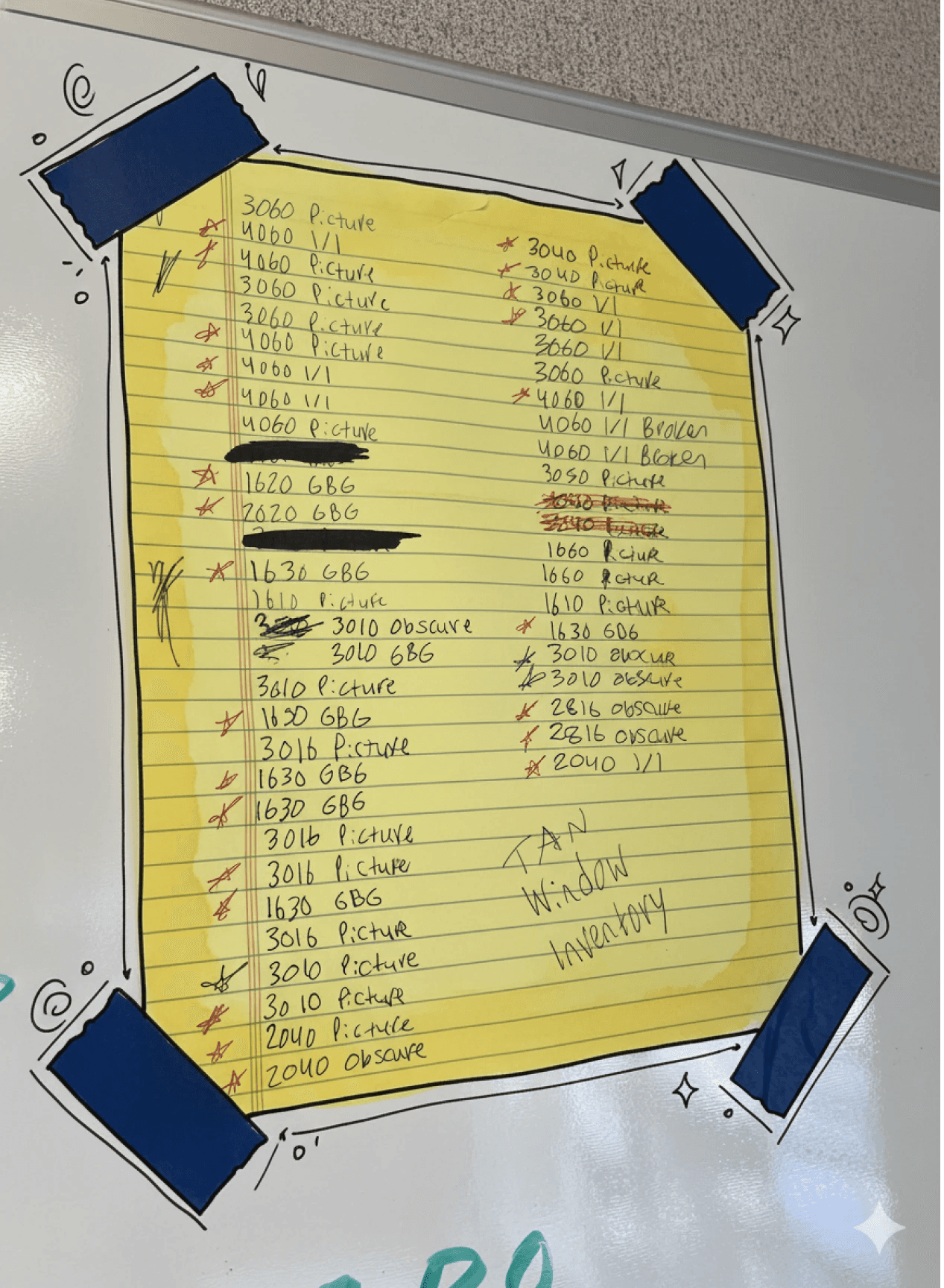
“Show me where you check this today.”
Exposed offloading tools (binders, notes, screenshots) and hidden rules.
01.
Contextual Inquiry
“Show me where you check this today.”
Exposed offloading tools (binders, notes, screenshots) and hidden rules.
01.
Contextual Inquiry
“Show me where you check this today.”
Exposed offloading tools (binders, notes, screenshots) and hidden rules.
Key Insight: Interruptions weren’t edge cases — they were the workflow.

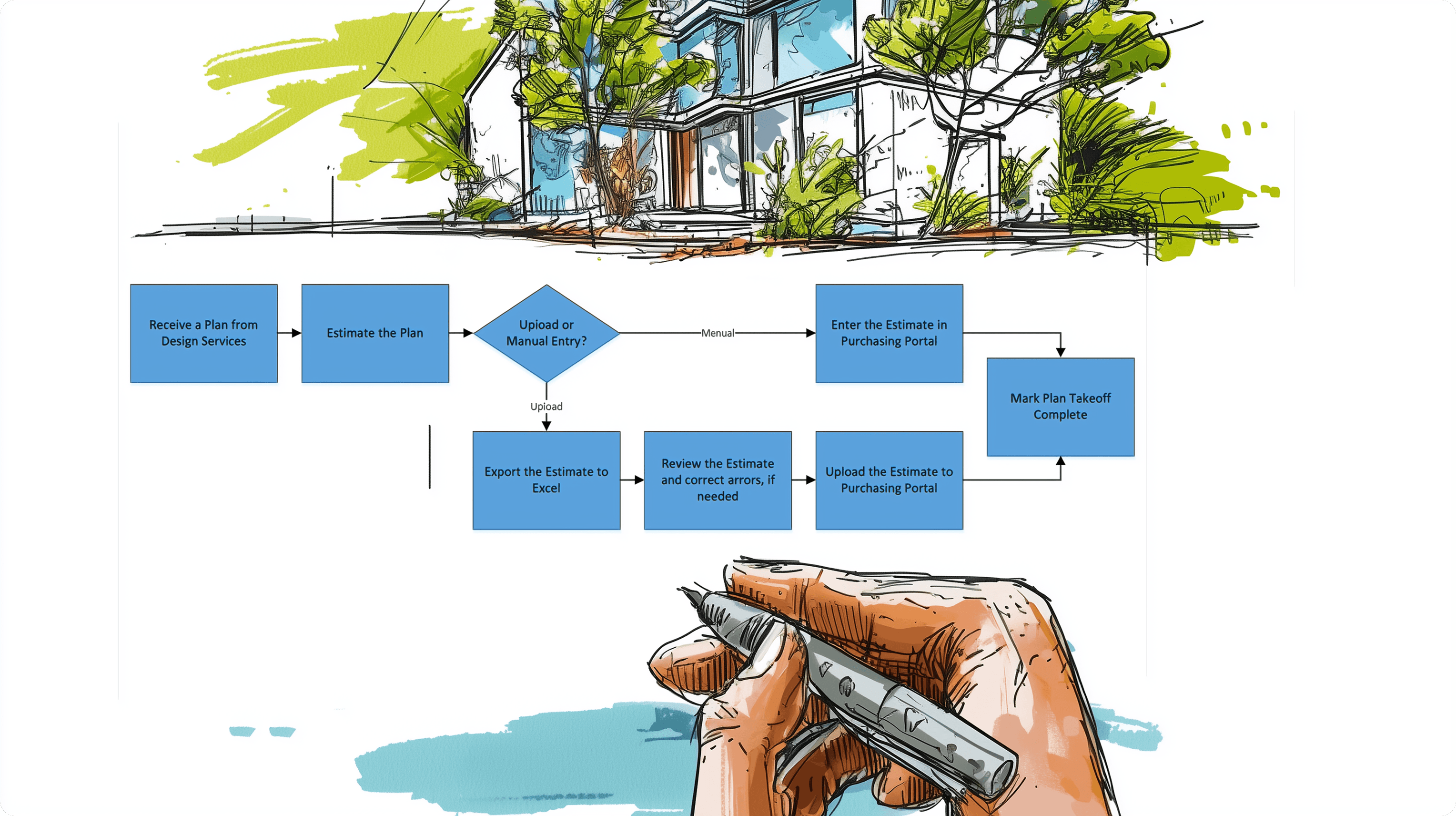
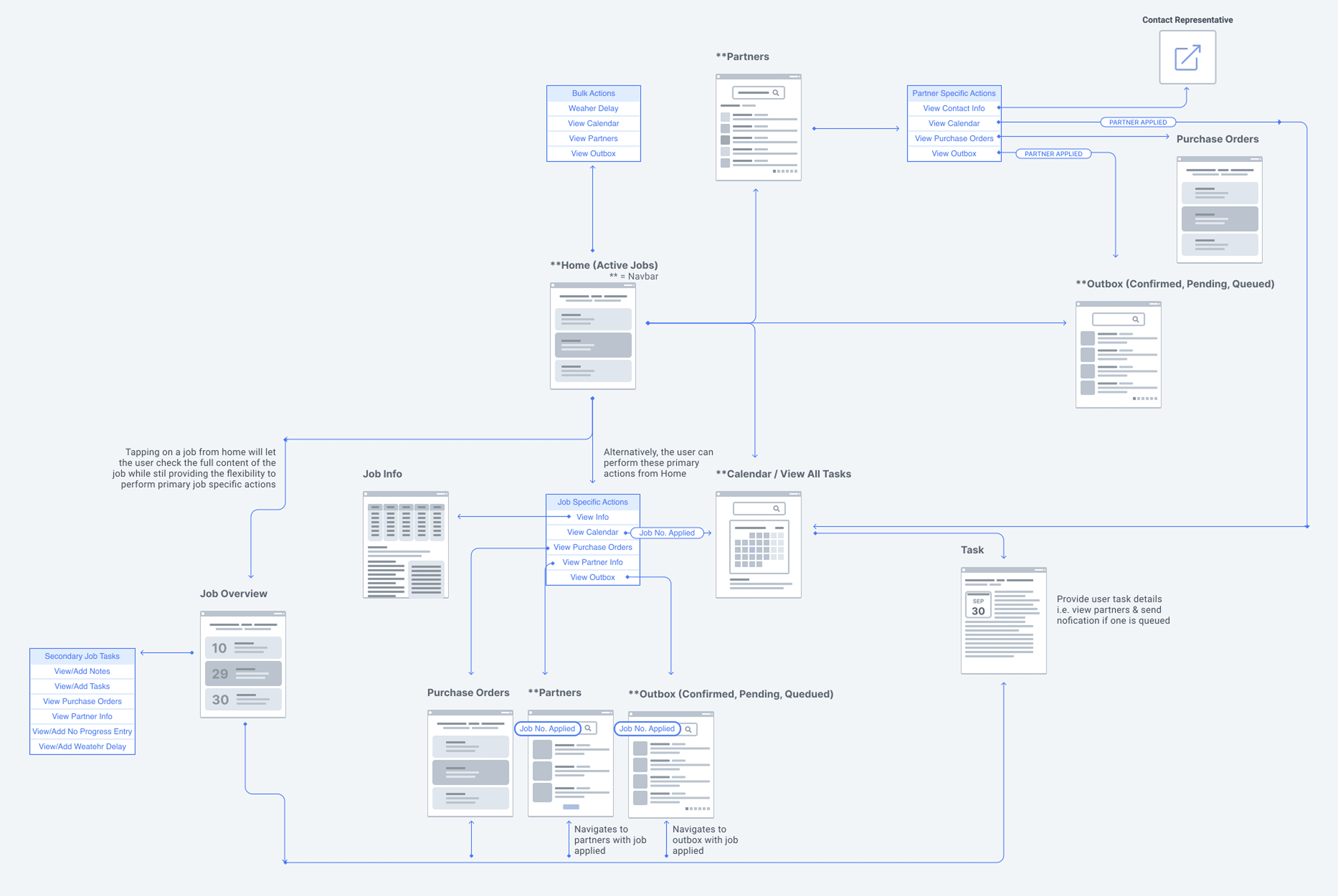
We mapped the purchasing lifecycle across teams:
Request → Review → Approval → Vendor Confirmation → Arrival → Blocker → Resolution → Complete
This surfaced ownership gaps, clarified escalation paths, and aligned Purchasing Ops, Field Supers, Vendors, and AP on shared expectations.
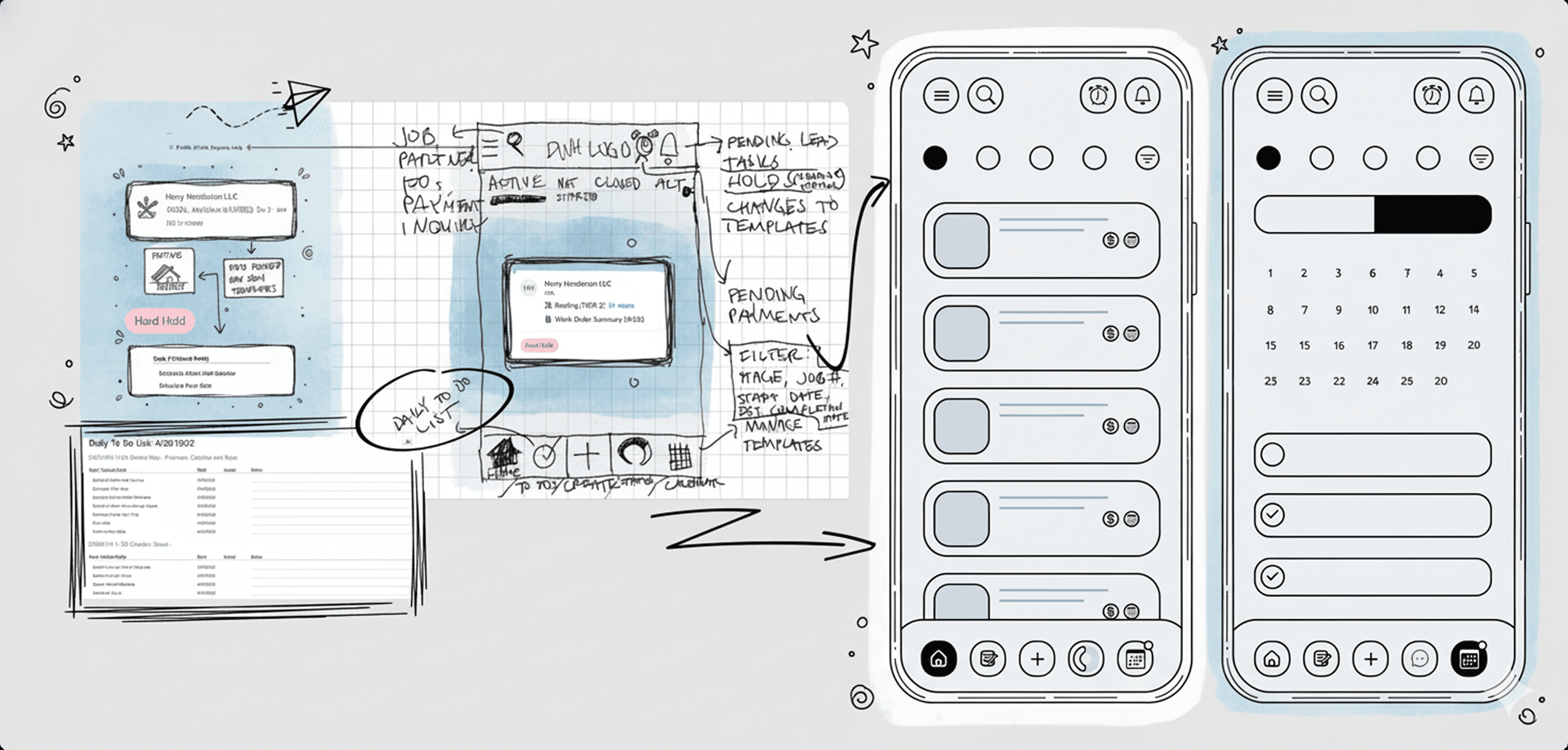
Builder Hub Concept Architecture aligned structure to task frequency and approval state, eliminating guesswork and role bottlenecks.
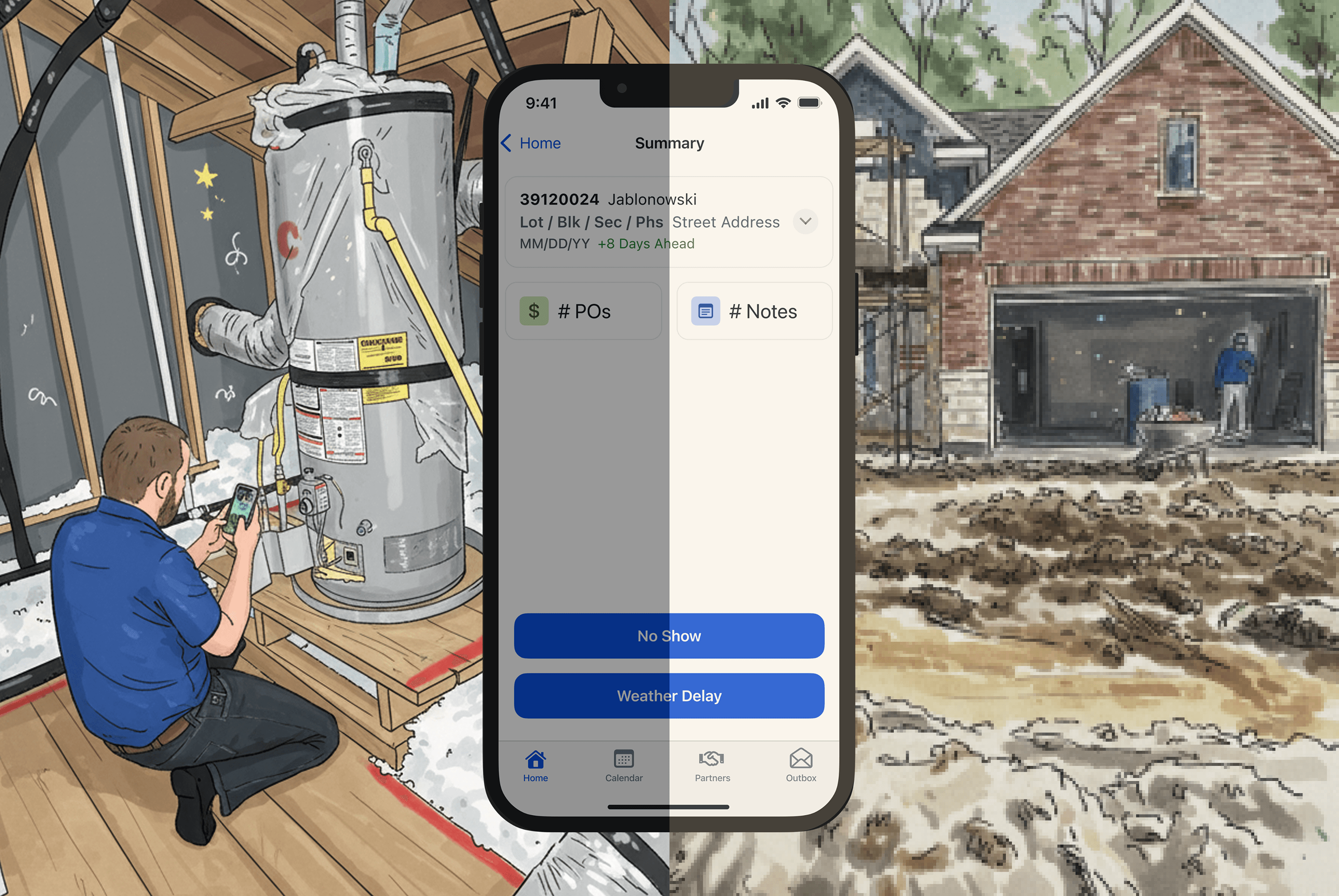
Design constraints included:
Gloves
Bright sunlight
Dust + debris
One-handed use
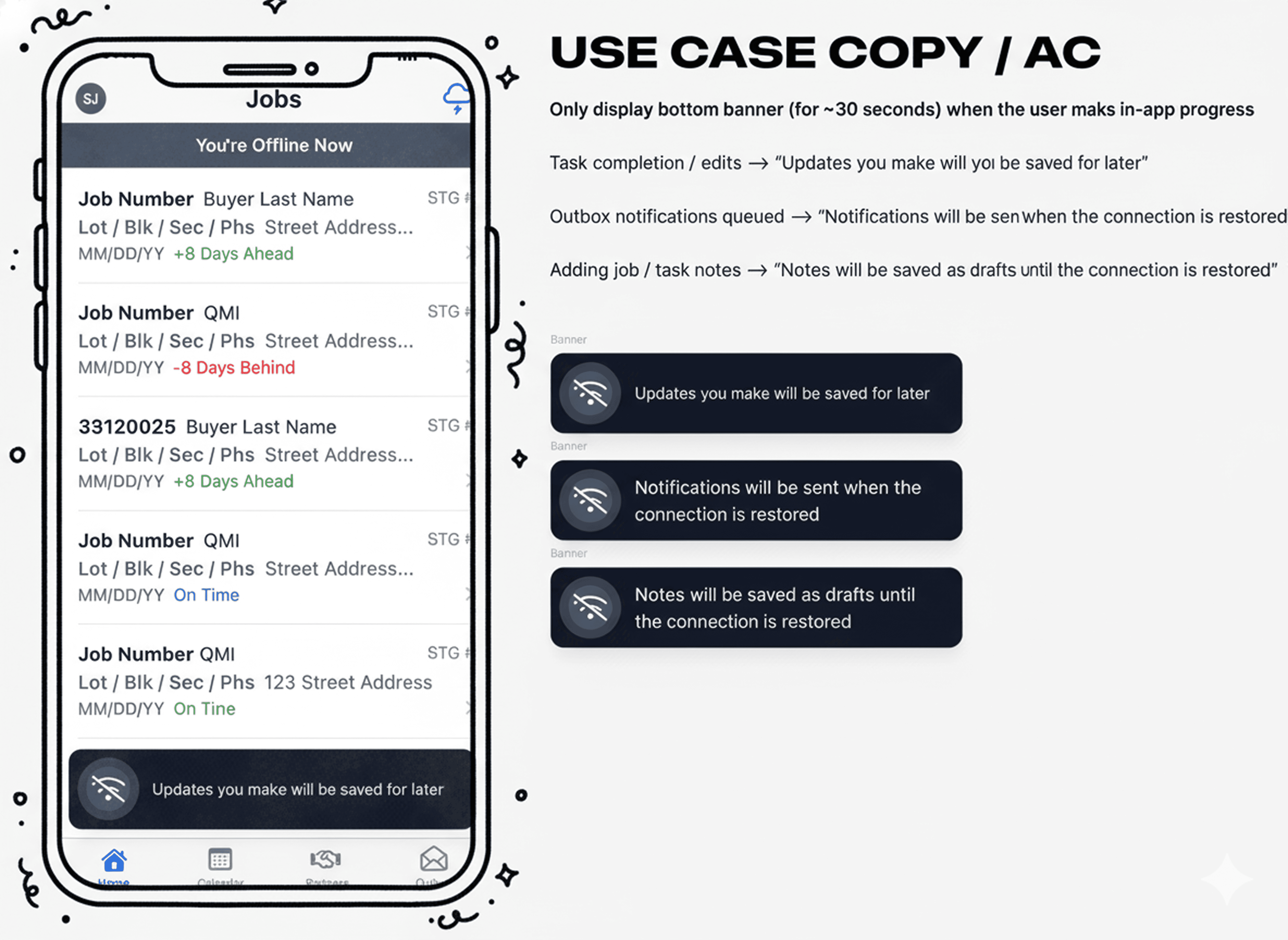
Unreliable or no connectivity
Constant context switching
UX responses:
High-contrast UI
Large tap targets
Minimal navigation depth
Persistent offline caching
Predictable re-entry points
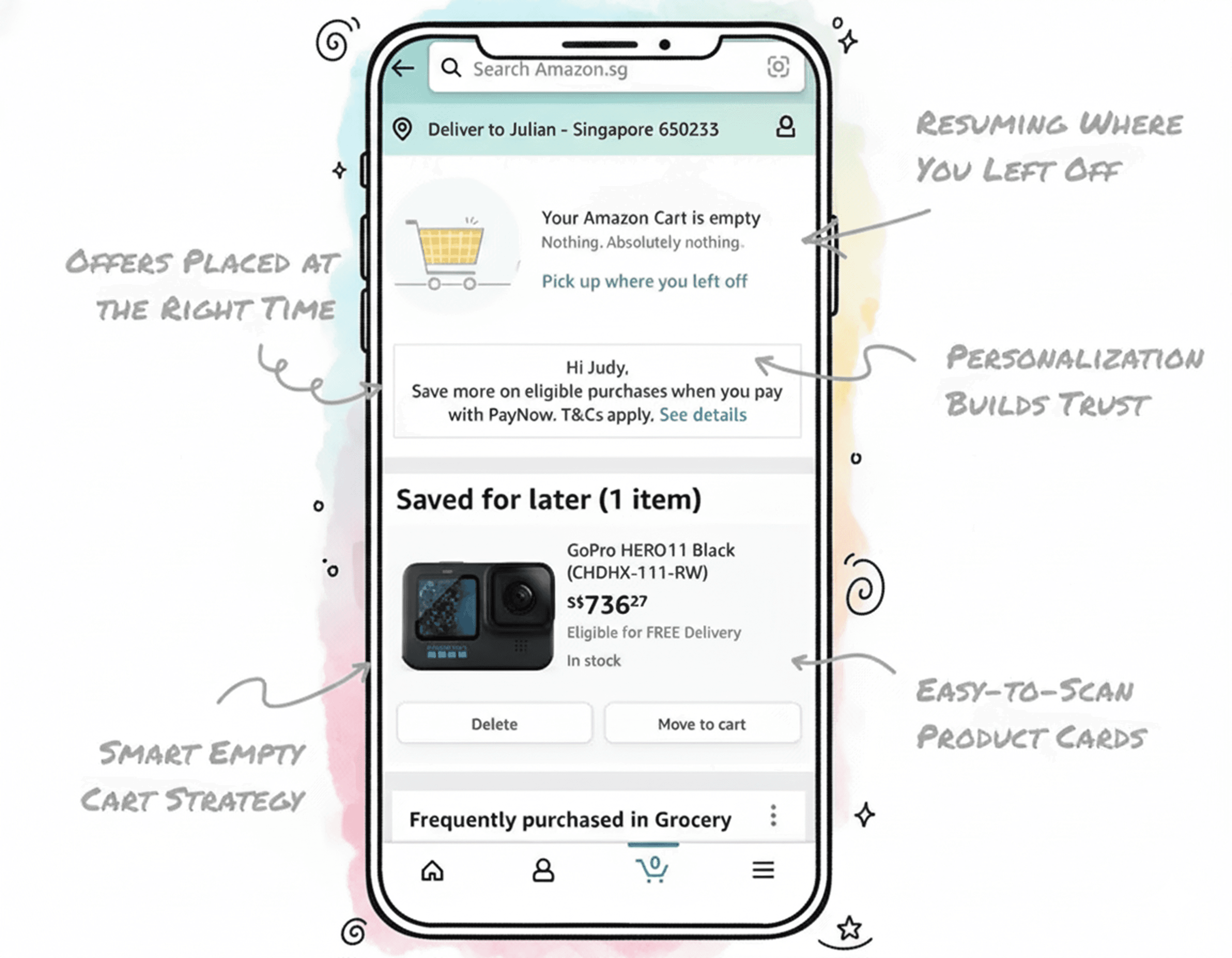
To modernize enterprise procurement, I intentionally looked beyond construction tools.
I benchmarked:
Amazon, ASOS, Shopify → staged decision logic
Smartsheet, Zoho → metadata grouping
Vendor portals → escalation patterns
This allowed us to:
Reuse proven mental models
Standardize status clarity
Improve scanability and predictability
Reduce cognitive load
Builders instantly grasped familiar patterns that hadn’t existed in JDE.
Desktop (Purchasing Ops)
Grouped, scannable metadata
Inline editing
Batch actions
Vendor context + pricing
Accessible components
Predictable keyboard shortcuts
BOSS Mobile (Field)
Approvals, confirmations, checklists
Blocker flows + delivery states
Offline-first reliability
Clear timestamps + lifecycle states
High-contrast ergonomics
And no — I didn’t name it after myself.
BOSS = Builder Operating Scheduling System.
Made for a great icebreaker, though. 😅

Notifications sent (+2%)
22%
22%
confirmations (+1%)
30%
30%
using custom templates (+3%)
86%
86%
using partner favorites
53%
53%
send rates in a single quarter → Rapid adoption and high trust in the new system.
84%
84%
"“Meeko brought structure, elegance, and functionality to a platform that needed to speak to professionals across industries. The site feels polished and intentional, and the CMS setup she created is flexible.”"
Carla Mendez
Marketing Director, Meeko Studio
Small reliability improvements translated into big trust wins.
⏱ Time is a first-class object.
Interruptions are the workflow.
Design must support pausing, resuming, and fluid re-entry.
📡 Offline isn’t an edge case.
If the system breaks offline, trust breaks.
Reliability = usability.
🧠 Tribal knowledge must be externalized.
Lifecycle modeling turns hidden rules into scalable, governed systems.
🧩 Micro-systems create macro trust.
Autosave, shortcuts, inline feedback, persistent sessions — “little things” that drive long-term adoption.
We modernized a legacy JDE purchasing ecosystem into a dual-surface platform built for real-world construction — blending structured desktop workflows with offline-first field execution.
The result: reduced vendor confusion, stronger accountability, fewer bottlenecks, and a procurement system that finally meets the demands of modern homebuilding.
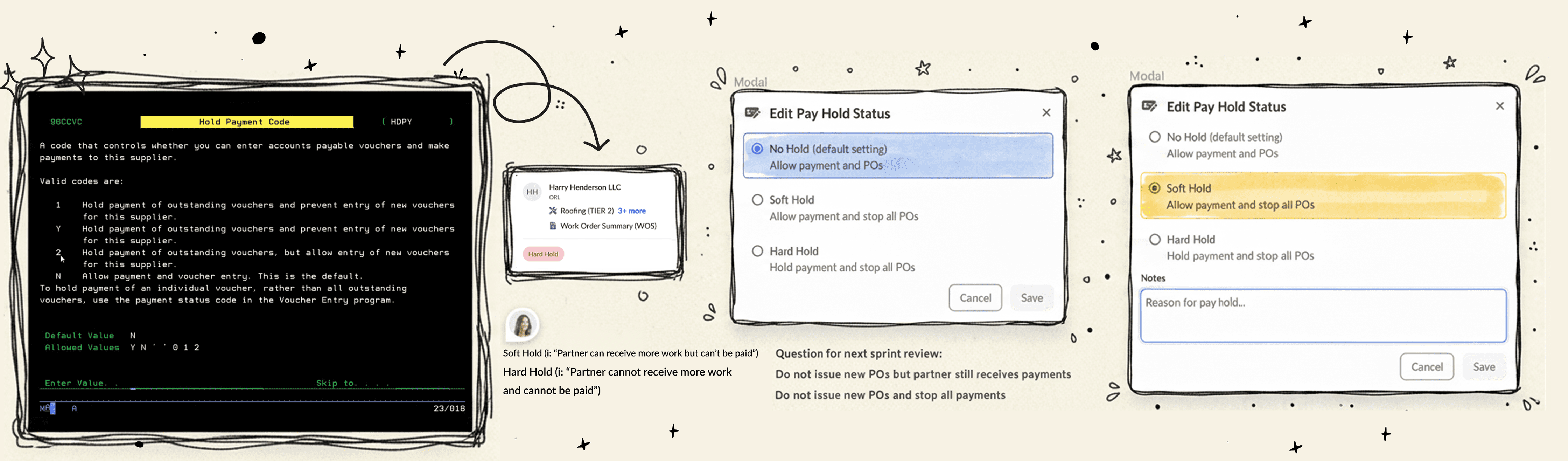
Before and after state of the product